A Complete Guide to Choosing the Best External Shutters
I’ll be honest with you — there’s a lot of noise online about shutters. You’ll find lists that tell you the same five things without actually helping you make a decision. This guide is different. It’s written for someone standing in front of their house wondering what will actually work, last, and look good without eating their entire renovation budget.
If you’re searching for the best external shutters, the answer isn’t one product. It’s a combination of the right material for your climate, the right style for your home’s character, and the right shutters supplier who won’t leave you hanging six months later when a hinge fails.
“The right shutters aren’t the most expensive ones. They’re the ones that still look good and work properly five winters from now.”
Why people get this wrong
Most homeowners choose shutters based on photos. That’s understandable — shutters are a visual thing. But buying based on looks alone is how you end up with warped timber in a wet climate, or cheap vinyl that fades to a muddy cream within two summers.
The smarter approach is to work backwards. Start with your environment and your home’s structure, then narrow down the style options that fit within those constraints. What’s left is where aesthetics get to have their say.
The main types — and what they’re actually for
There are more types of external shutters than most people realise, and they don’t all serve the same purpose. Here’s a plain-English breakdown:
Louvred
The classic. Angled slats let air and light through while keeping prying eyes out. Best in warmer, drier climates. The most copied style in architecture for a reason.
Solid panel
Full coverage, zero compromise. Storm-country homes, high-security properties, or anyone who wants total blackout when they close up for the evening.
Board & batten
Vertical boards held by horizontal battens. Rustic and farmhouse-feeling. Mostly decorative, but incredibly effective at giving older homes a grounded, rooted look.
Raised panel
Architectural and formal. The shutter of choice for Georgian, Victorian, and colonial homes. They frame a window the way a painting deserves to be framed.
Rolling / roller
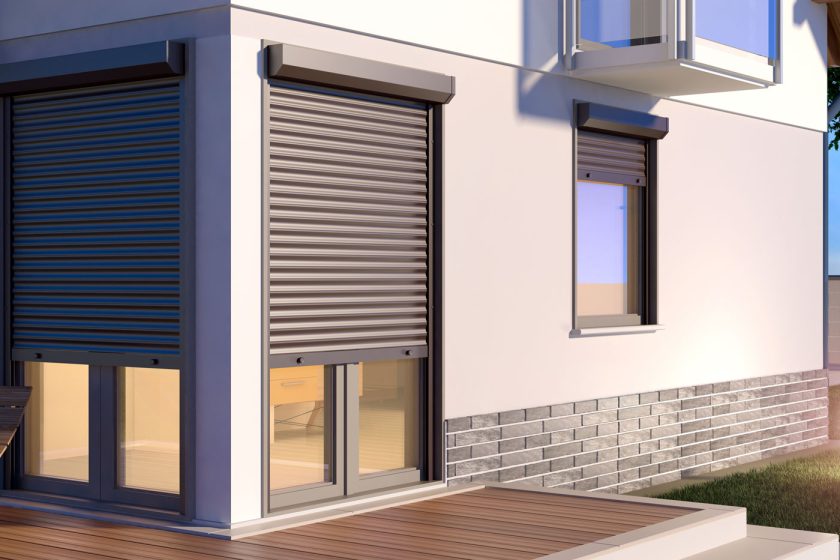
Roll up, roll down. Maximum security and insulation. Popular on garages, shop fronts, and coastal homes. Motorised versions make daily use genuinely effortless.
Bi-fold
Fold neatly to one or both sides. Great for wide openings where a single panel would be awkward. Modern homes love them on large picture windows.
Materials: where most buyers go wrong
This is the section that saves you money. The material you choose determines how long your shutters last, how much maintenance they need, and whether they’ll still look presentable in a decade.
Solid timber
Beautiful and authentic. Needs regular painting or staining. Avoid in wet or coastal climates unless you enjoy weekend maintenance.
Composite wood
The practical middle ground. Looks like timber, resists moisture and warping. Works in almost any climate without the fuss.
uPVC / vinyl
Won’t rot, warp, or fade badly. Wipe clean and you’re done. Not the most premium look, but outstanding value for money over time.
Aluminium
The coastal homeowner’s best friend. Light, strong, rust-proof, and available in any powder-coat colour. Premium but worth it for exposed locations.
Steel
Industrial aesthetic with exceptional strength. Used where security is non-negotiable. Heavier than aluminium and needs occasional treatment to prevent rust.
Fibreglass
A newer option gaining ground. Extremely durable, handles humidity well, and can mimic timber convincingly. Still not as widely available.
Real talk: If your home is within a kilometre of the coast, timber is a romantic choice but a practical headache. Aluminium or composite is the sensible call — your future self will thank you.
What to think about before you buy
These are the questions worth sitting with before you commit. The best external shutters for a terraced house in Manchester look nothing like the best for a beach house in Queensland — and that’s fine.
- What’s your weather like? Rain, UV, salt air, and frost all damage materials differently. Match the material to your actual climate, not the photo you liked.
- Do the shutters need to actually work? Functional shutters that open and close need precise measurements and proper hardware. Decorative ones just need to look proportionate.
- What’s your home’s architectural style? Louvred shutters on a Georgian townhouse look odd. Raised panels on a beach shack look even odder. Match the era and character of the building.
- How much maintenance are you willing to do? Be honest. If you’re not a weekend-painter type, don’t buy timber and promise yourself you’ll keep on top of it. You probably won’t.
- What’s your security priority? Standard louvred shutters won’t stop a determined person. If security matters, look at solid panels with multi-point locks, or roller shutters with reinforced guides.
How to actually find the best external shutters
Shopping for the best external shutters is less about finding the right product listing and more about asking the right questions of the right people. Here’s a process that works:
Measure every single window separately
Especially in older homes, windows that look identical are rarely the same size. Measure width and height at three points each — top, middle, and bottom. Use the smallest measurement. Don’t trust the builder’s drawings.
Get samples before you commit
Any reputable shutter company will send you material swatches or finish samples. Hold them against your exterior wall in different lighting conditions — morning light and afternoon sun read very differently on powder-coated aluminium.
What’s popular right now — and what’s timeless
Trends come and go, but the best external shutters tend to be the ones that suit your home’s bones rather than chase whatever’s fashionable this season. That said, there are some directions worth knowing about in 2026.
Dark powder-coated aluminium — charcoal, slate, and deep olive tones — has taken over on modern and contemporary builds. It photographs beautifully and ages well. On the opposite end, whitewashed or natural-stained timber louvres are having a genuine revival on period cottages and farmhouses, particularly in rural and semi-rural settings.
DIY or professional installation?
Simple decorative shutters with straightforward bracket systems? A confident DIYer can handle it. Custom-fitted functional shutters, especially anything motorised or with complex frame work? Leave it to someone who does this every day.
The best external shutters aren’t the ones with the most five-star reviews or the highest price tag. They’re the ones chosen thoughtfully — for the right climate, the right building, and the right level of upkeep you’re actually going to give them.
Take a weekend to measure properly, request some samples, talk to a couple of local installers, and resist the urge to buy the first thing that looks good in a photo. Your home will wear these shutters for years. Give the decision the time it deserves.