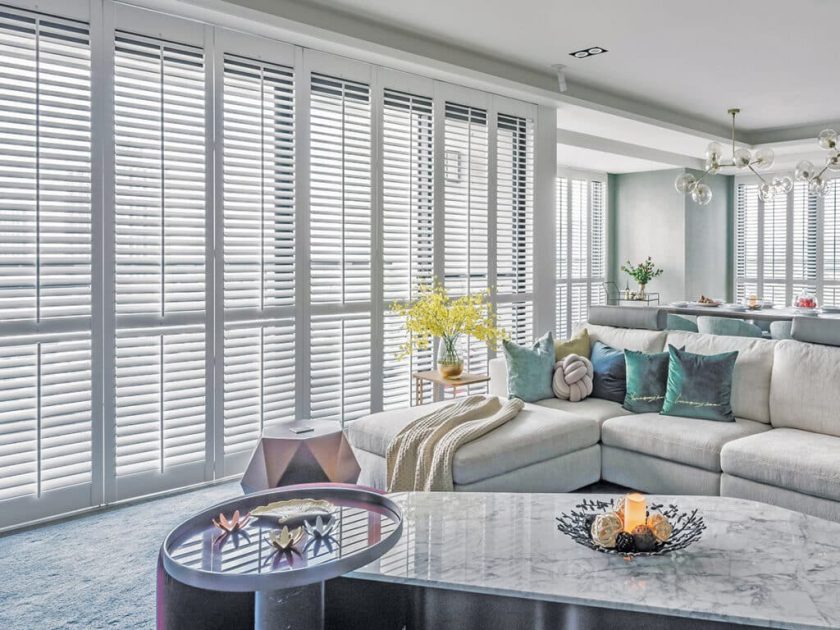
The Impact of Plantation Shutters on Home Value and Interior Style
Walk into any beautifully styled home and there’s a good chance you’ll find plantation shutters dressing the windows. They’ve become something of a quiet status symbol in interior design circles, and not without reason. Unlike trends that come and go with the seasons, plantation shutters have held their ground for decades, and increasingly, estate agents and valuers are starting to take note of what they actually bring to a property.
If you’re weighing up window treatments for a renovation, a new build, or simply because your curtains have seen better days, it’s worth understanding exactly what plantation shutters do for a home – both in terms of pounds and pence, and in terms of how a room feels to live in.
Why Plantation Shutters Keep Outlasting Trends
Most window coverings have a shelf life. Curtains fade, blinds warp, and whatever fabric pattern felt fresh five years ago can suddenly look dated. Plantation shutters tend to dodge this problem because they’re built around proportion and craftsmanship rather than pattern or colour fashion. A well-fitted shutter complements the architecture of a window rather than competing with it, which is part of why they sit comfortably in a Georgian terrace just as easily as they do in a new-build semi.
There’s also a practical honesty to them. The adjustable louvres do a genuinely useful job: tilt them one way for privacy without losing daylight, tilt them another for full sun. That functional core is hard to argue with, regardless of what’s trending on interiors blogs this year.
The Interior Style Argument
From a styling perspective, shutters do something that most curtains and blinds simply can’t: they frame a window from the inside, almost like a permanent piece of joinery. This gives a room a more finished, architectural feel rather than a “dressed” one. Designers often lean on this when working with smaller rooms, since shutters don’t billow, pool on the floor, or eat into the depth of a window reveal the way heavier curtains can.
They’re also remarkably adaptable. In a coastal-style living room they read as crisp and breezy. In a more traditional study or dining room, especially in darker stains or deeper tones, they take on a more formal, panelled-wall character. This flexibility is one reason providers such as Knight Shutters & Improvements offer a fairly wide range of finishes, since the right shutter really does depend on the room it’s going into, not just the window’s dimensions.
For bay windows, arched windows, or anything slightly unconventional in shape, made-to-measure shutters tend to be one of the few treatments that can actually follow the lines of the frame properly, rather than just hanging in front of it and hoping for the best.
Does It Actually Affect Home Value?
This is the part that tends to interest sellers more than stylists. The honest answer is that plantation shutters are unlikely to single-handedly add thousands to a valuation, but they do influence buyer perception in ways that matter at viewings.
A few things tend to come up consistently:
Buyers associate shutters with a “finished” property. Homes with half-hearted window dressing, mismatched blinds, or tired curtains can read as needing work, even if the rest of the house is in good order. Shutters tend to signal that a degree of care and investment has gone into the property generally.
They also photograph well, which matters enormously for online listings. A room with crisp white shutters tends to look brighter, sharper, and more “show home” in photos than the same room with patterned curtains, which can read as cluttered or personal to the previous owner’s taste.
There’s a practical insulation angle too. Well-fitted shutters add a layer of thermal buffering at the window, which can be a small but genuine talking point for buyers thinking about energy bills, particularly with UK heating costs being what they are. It’s not a substitute for proper double glazing, but it’s a sensible complement to it.
None of this guarantees a higher sale price on its own. But in a market where first impressions at viewings genuinely sway offers, shutters tend to tip things in a seller’s favour rather than against it.
Privacy, Light Control and Everyday Living
Away from resale value, the day-to-day case for shutters is arguably stronger. The adjustable louvre system gives a level of control that most blinds can’t match — you can angle slats to let light in at the top of a window while keeping the bottom half private, which is particularly useful for ground-floor rooms facing a street or a neighbour’s garden.
This kind of control becomes especially relevant if you’re dealing with rooms that get harsh afternoon sun, or bedrooms where you want darkness without resorting to thick blackout curtains that can feel heavy in a smaller space. It’s also worth thinking about how shutters work alongside other home security and comfort measures. Many homeowners pairing interior shutters with security screen doors or roller shutters on more exposed windows, treating the interior shutters as the finishing touch on rooms that already have a security layer doing the heavier lifting.
For homes with outdoor living areas, the same logic often extends outward. Outdoor blinds can handle sun and wind protection on a patio or veranda, while plantation shutters take care of the interior glazing, giving a consistent, considered look across the whole property rather than a patchwork of mismatched treatments.
Choosing the Right Shutters for Your Home
A few practical points are worth bearing in mind before committing to a style:
Room function matters more than people expect. A home office or bedroom usually benefits from shutters with finer light control, while a kitchen or conservatory might prioritise moisture resistance and easy cleaning instead.
Window shape will narrow your options. Standard rectangular windows are straightforward, but bay, arched, or oddly proportioned windows need a supplier comfortable with custom fabrication rather than off-the-shelf sizing.
Finish should match the room’s formality. Pure white tends to suit brighter, more contemporary spaces, while painted or stained timber-look finishes sit better in period properties or rooms with warmer, traditional palettes.
It’s also worth having an honest look at a few completed installations before deciding, since photos rarely tell the full story of how light interacts with a particular finish. Browsing a gallery of completed projects can give a much clearer sense of how a shutter style behaves in a real room, at different times of day, than a product photo ever will.
Getting It Right the First Time
Because plantation shutters are a semi-permanent fixture, the margin for error is smaller than with curtains or blinds. A measuring mistake on a bay window, or a finish that clashes with existing joinery, is a far costlier fix than swapping out a curtain pole. This is really the main argument for working with an established installer rather than treating it as a pure DIY job, particularly on anything beyond a simple square window.
If you’re at the stage of comparing options, it’s worth looking at a supplier’s previous projects and getting a sense of their experience with the kind of windows in your own home, especially if you’re dealing with anything non-standard. Most reputable installers, including Knight Shutters & Improvements, will offer a measure-and-quote visit before any commitment, which is generally worth taking up regardless of who you end up going with.
Final Thoughts
Plantation shutters sit in a fairly unusual category of home improvement: they’re decorative enough to genuinely change how a room feels, yet practical enough to influence buyer perception, energy use, and daily comfort. They won’t transform a struggling property into a dream home on their own, but as part of a considered approach to interior style, and as a small, tangible signal of upkeep when it comes time to sell, they tend to earn their place on the window.
If you’re considering shutters for your own home, it’s worth getting in touch to discuss which style and finish would actually suit your windows, rather than guessing from photos alone.